
Elrajtolt a rájátszás mind a négy akadémiai csapatunknál, illetve a kupaküzdelmek is elkezdődtek. Ezt a fontos részcélt elérve kértük fel Dusinszki Zoltánt, a Székelyföld Labdarúgó Akadémia szakmai igazgatóját egy rövid értékelésre.
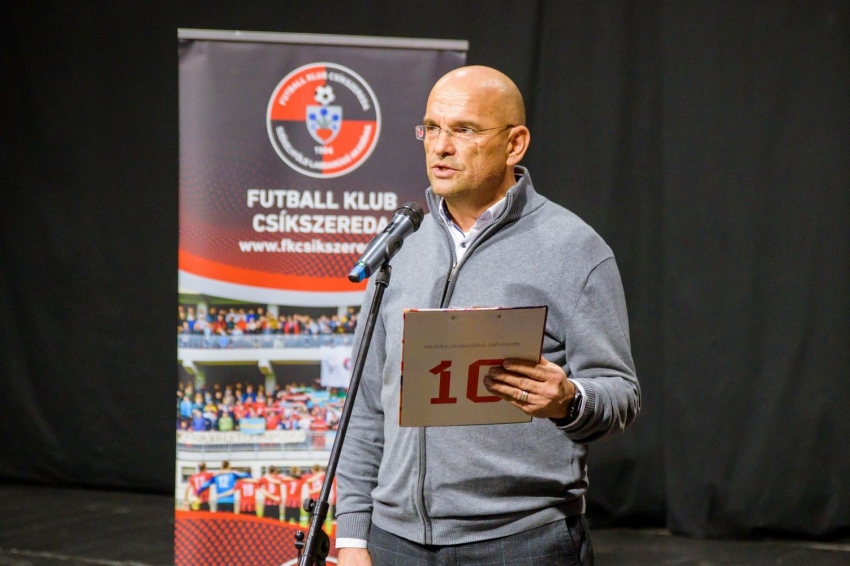
Elrajtolt a rájátszás mind a négy akadémiai csapatunknál, illetve a kupaküzdelmek is elkezdődtek. Ezt a fontos részcélt elérve kértük fel Dusinszki Zoltánt, a Székelyföld Labdarúgó Akadémia szakmai igazgatóját egy rövid értékelésre.
– Túlvagyunk mind a négy akadémiai csapatunknál az alapszakaszon, és már el is kezdődött a rájátszás. Leszögezhetjük, hogy a szezon elején kitűzött részcél, hogy mindegyik akadémiai csapatunk a play off-ban folytassa, idén összejött.
– El kell mondani, hogy a 2025–2026-ös szezon nekünk már májusban elkezdődött, amikor már tudtuk, hogy új szakmai stábokat kell kialakítsunk a csapatoknál, már akkor elkezdődött ennek érdekében a munka, hogy tudjuk felfrissíteni az edző stábokat annak érdekében, hogy tudjunk megfelelni ennek a célnak. A tavalyi stábból a vezetőedzőkből Burus Bernát maradt csak az U16-os csapatnál, Goran Kopunovic-al egyeztünk meg az U18-as, ifjúsági ligás csapatnál, Mitra Szilárdot hoztuk az U17-hez és Fogarasi Zoltán jött az U15-ös csapathoz. Ahogy elkezdtük a felkészülést, látszott, hogy jó stábok alakulnak ki, jó munka folyik a csapatoknál, jó a hangulat nem csak a pályán, hanem az edzői irodában, az értekezletek alatt is, érződött, hogy ebben az idényben egy irányba fogunk haladni, és mindenki megpróbálja kihozni csapatából a maximumot, nincsen széthúzás a stábok és a csapatok között. Ez már látszott a felkészülés ideje alatt is, sikeres edzőtáborokon voltak túl akadémiai csapataink, volt, amelyik Dunaszerdahelyen, Cegléden, másik itthon tudott felkészülni nagyon jó minőségű, füves pályákon. A sorsolás is kedvezett, mert az alapszakasz első három-négy mérkőzésén sikerült hozni a győzelmeket, önbizalmat adva a csapatoknak, amit kisebb kisiklásokkal végig tudtunk vinni. Egy-két vereség becsúszott, ami azért ezen a szinten elfogadható, mert a gyerekek nem tudnak 11 mérkőzésen át egyenletes teljesítményt nyújtani, viszont látszott a munka gyümölcse, az edzők jól összerakták a csapatokat, és a játékosok is megértették, hogy extrán kell teljesíteni ahhoz, hogy eredményesek legyünk, ez sikerült is. Csapataink mindegyike bekerült a rájátszásba, és mindegyik esélyes a bajnokság végén a dobogóra is, hisz a play offban megfelezték a pontokat, kialakult egy új rangsor, és ott vagyunk mindegyik korosztályban néhány pontra az első három helytől. Ahhoz, hogy ilyen eredményt el tudjunk érni, a szakmai stábok önfeláldozó munkájára volt szükség, keményen dolgozott mindenki, ami abból is látszott, hogy nagyon kevés volt a sérülés, és ezért mindig a legjobb csapatokkal tudtunk felállni. Hozzátették a magukét az erőnléti edzők, a medikális csapat, a pszichológusok vagy akár a kollégiumi nevelők is, mindannyiuk munkáját kiemelve és megköszönve mondom, hogy mindenki hozzájárult ahhoz, hogy idén mindegyik csapatunk ott lehessen a legjobbak között.
– Könnyű volt-e elérni ezt a részcélt, vagy azért nehézségekkel is szembe kellett nézni?
– Tizenkét csapat versenyzett a rájátszásba kerülést biztosító négy hely egyikéért, és a két nagyobbik korosztályban itt a nyugati csoportban a Kolozsvári Universitatea kicsit kiemelkedett a mezőnyből, mindkét korcsoportban veretlenül fejezve be az alapszakaszt, a Bukaresti Daco-Getica viszont lefelé lógott ki a mezőnyből a legnagyobbaknál, pontot sem szerezve. A többi csapat viszont hasonló erőt képviselt a bajnokságban, és ezért nagyon fontos volt minden találkozó, ilyen nagy gólkülönbségű mérkőzések nem is voltak, mint a korábbi években, pengeélen mozgott minden csata. Az akadémiák többsége évről évre egyre jobban fejlődik, ráadásul a korábbi években az első hat csapat játszott rájátszást, ami csoporton belül volt lebonyolítva, nem volt összehúzva a keleti és a nyugati csoport, így sokkal nehezebb bajnokság alakult ki. Tizenegy fordulónk volt bekerülni a legjobb négy közé a csoportban, és az ország legjobb nyolc csapata folytatja a felsőházban, egy közös ligában, ami a két idősebb korosztályt illeti. Az U15-nél és az U16-osnál szélesebb a merítés, négy 12 csapatos csoportból két nyolcas csoport lett a rájátszásban, ezeknek az első helyzettjei döntőt játszanak majd. Az U17-nél és U18-nál viszont a két oda- és visszavágós kör végén bajnokot avatnak. Ebből a szempontból egészségesebb lesz ez a bajnokság, de ez azt is jelenti, hogy sokkal nehezebb lesz bajnoki címet nyerni mondjuk a korábbi, U17-és és U19-es bajnoki címeinkhez képest, amikor egy csoportmásodik hely elérése után egy elődöntőt és egy döntőt kellett vívni a bajnoki címért, és egy-egy meccsen ugye bárkit meg lehet verni. Most viszont egy 14 mérkőzéses bajnokságot kell megnyerni, ami sokkal nehezebb.
– Mennyire nehéz? Hogyan látja a szakmai igazgató a szezon végi esélyeinket idén?
– Az U15-ös csapatunk, amelyik az első helyről jutott tovább az alapszakaszból, egy kialakulóban levő társaság, nekik így együtt ez az első megmérettetés. Ebben a korosztályban az eddigi tapasztalat azt mutatja, hogy kell egy fél év, amíg felveszik a ritmust, amíg összekovácsolódnak, egy szintre kerülnek a játékosok, hiszen különböző képzettségi állapotban kerültek ide a játékosok különböző kluboktól. Én abban reménykedek, hogy az első két-három fordulóban sikeresek tudnak lenni, és akkor egy téli felkészítőt még rápakolva tavasszal eredményesek lehetünk U15-ben és U16-ban is. De ha azt vesszük, hogy az ifiligás csapatunkhoz és akár az U17-hez is egy egészséges agresszivitást, morált hozott be a két új vezetőedző, és megvan rá a játékoskeret is ahhoz, fölérjenek a dobogóra. Abban reménykedek, hogy egy vagy két korosztályban legalább az első három hely valamelyikén fejezzük be az idényt.
– Hogyan állnak fiatal játékosaink az egyéni fejlődésük szempontjából?
– Ebben a témában ki kell emeljük, hogy elindítottuk idén is a tehetséggondozó programunkat, a Talent 25-öt, ami azt jelenti, hogy minden korosztályból öt-hat játékost kiválasztunk, akikről úgy gondoljuk, nagy perspektíva van bennük, és próbálunk egyéni képzést kialakítani nekik. Erről azt is tudni kell, hogy ebbe a csoportba folyamatosan be lehet kerülni, de ki is lehet esni is, ha nem nyújtasz megfelelő teljesítményt. Felkerültek fiatalok ugyanakkor az első ligás csapatunk keretébe is, négyen-ötön járogatnak edzésre a nagycsapattal, ott is megmérettetve magukat, Bencze Lóránd és Noveli Luca be is mutatkozott a Szuperligában, de az állandó felnőtt kerettag Bödő Efraim és Simó Máté is az akadémiánk neveltje, és ha az egyéni képzések jól sikerülnek, úgy gondolom, még több játékosnak lesz elehetősége bemutatkozni az élvonalban. Kiemelném, hogy a különböző válogatottakba is adtunk játékosokat, Bödő Efraim az U19-es romániai keretbe kapott meghívást, Bota Darius és Bencze Lóránd az U17-esbe, az U16-ba Jánosi Zoslt, és reménykedünk abban, hogy a közeljövőben az U15-ös korosztályban is lesz válogatott meghívónk. Úgy gondolom, hogy jó irányba halad az akadémia, jó irányba haladnak a csapatok, megvannak azok a tehetségek, akik esetében reménykedhetünk, hogy akár a szuperligás csapatunkban, akár más profiligás csapatokban tudják majd folytatni, ennek a munkának azonban ők is részesei kell legyenek, oda kell tegyék nagyon magukat, ugyanakkor megfelelő munkát kell végezzünk mi is edzőként, sportvezetőként, hogy a gyerekek fejlődését segíteni tudjuk.
Rédai Attila
Fotó: Pál Zoltán